Apple iOS 27 announcements reveal shifts in technology strategy. Discover lessons for product leaders inspired by the latest WWDC 2026 software updates.
Blog Post
What Apple’s iOS 27 Release Reveals About the New Rules of Technology Strategy and Digital Product Development
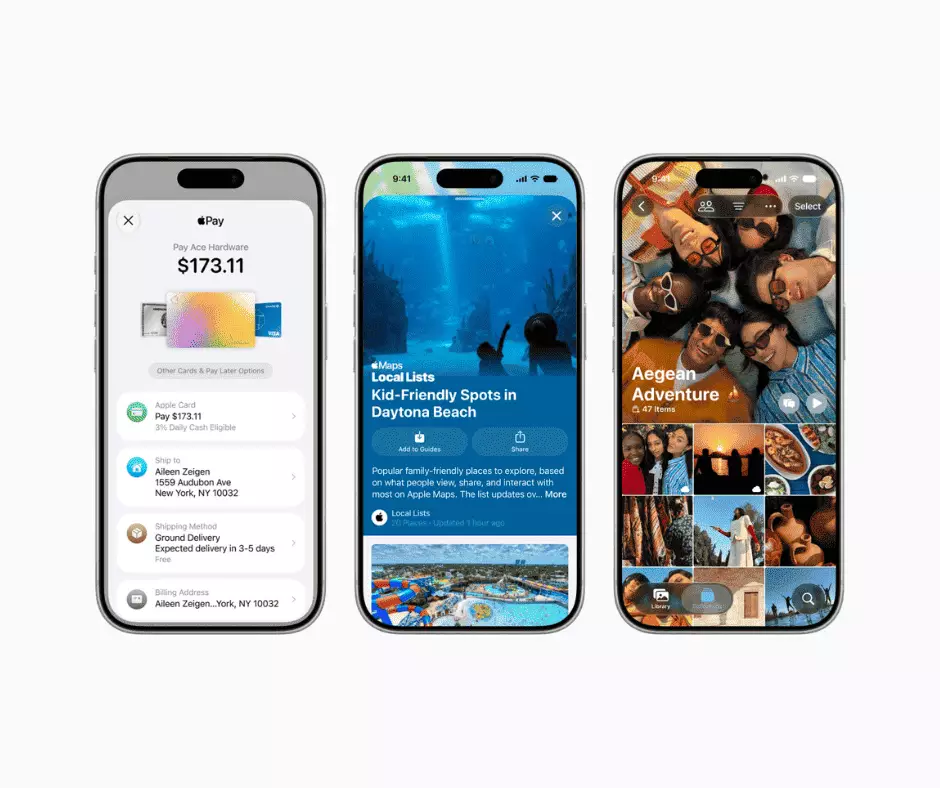
Each year, Apple’s software announcements attract attention for their new features. The headlines usually focus on redesigned interfaces, AI capabilities, device compatibility, and the latest tools available to users.
For business leaders, however, the most valuable insights are rarely found in the feature list itself.
iOS 27 provides a glimpse into how one of the world’s most influential technology companies is preparing for the next phase of digital experiences. The update introduces advancements in health technology, artificial intelligence, personalised assistance, automotive integration, and device performance. Taken together, these developments reveal several important trends shaping how organisations should approach technology investments, product development, and digital transformation.
Businesses do not need to build the next iPhone to benefit from these lessons. The principles behind Apple’s decisions can help any organisation make smarter technology choices, regardless of industry or size.
Technology Is Becoming More Context-Aware
Many digital systems have traditionally relied on users to search for information, navigate menus, and initiate actions themselves. The next generation of software is increasingly focused on understanding context and providing assistance at the right moment.Several iOS 27 enhancements follow this direction. Health features aim to deliver more personalised insights, while AI-powered tools are designed to help users complete tasks with less effort. Rather than asking people to adapt to technology, the technology adapts to the user’s situation.
This shift carries significant implications for businesses.
Customers increasingly expect digital products to anticipate needs, reduce friction, and simplify decision-making. Whether someone is booking a service, shopping online, accessing information, or managing a business process, convenience has become a competitive advantage.
Organisations developing digital products should be asking a critical question: does our technology require users to work harder than necessary to achieve their goals?
The companies creating the best customer experiences are often the ones removing steps rather than adding features.
AI Is Moving From Experimentation to Practical Application
Over the past few years, artificial intelligence has generated enormous excitement across nearly every industry. Many businesses rushed to explore AI initiatives, often without a clear understanding of where the technology would create meaningful value.The latest software updates from Apple suggest a more mature approach is emerging.
Instead of treating AI as a standalone destination, many capabilities are being woven into existing workflows. Users benefit from intelligent assistance while continuing to interact with familiar systems and interfaces.
This represents an important evolution in how organisations should approach AI adoption.
Successful AI projects are rarely defined by the sophistication of the underlying technology. Their success depends on how effectively they solve real problems. Businesses often achieve greater results when AI is applied to specific operational challenges such as customer support, process automation, forecasting, reporting, or knowledge management.
Technology leaders increasingly face the challenge of identifying where AI can improve outcomes without creating unnecessary complexity. The organisations that succeed will be those that focus on practical applications rather than chasing trends.
The Future of Digital Health Extends Far Beyond Healthcare
One of the most discussed elements of iOS 27 is Apple’s continued investment in health-related technology. The evolution of health tracking reflects a broader movement occurring across the technology sector.People are becoming more comfortable using digital tools to understand, monitor, and improve aspects of their daily lives. What began as simple fitness tracking has evolved into sophisticated systems that help users make informed decisions about wellbeing.
The underlying lesson extends well beyond healthcare.
Modern consumers increasingly value products that transform data into useful guidance. Collecting information is no longer enough. Users want technology that helps them interpret information, identify patterns, and take meaningful action.
Businesses across every sector can learn from this approach. Data has little value when it remains trapped in dashboards and reports. Competitive advantage often comes from presenting insights in a way that helps people make faster and better decisions.
Long-Term Product Success Depends on Technical Foundations
New features often receive the most attention during product launches, yet sustainable success is usually determined by the systems operating behind the scenes.One notable aspect of iOS 27 is Apple’s continued effort to improve efficiency and maintain performance across supported devices. While these improvements may attract fewer headlines than AI announcements, they play an important role in the overall user experience.
Many organisations face a similar challenge.
As businesses grow, technology environments become increasingly complex. New software platforms are introduced, integrations are added, customer requirements evolve, and operational demands increase. Over time, technical debt can accumulate and begin slowing progress.
The consequences are often significant. Development cycles become longer, maintenance costs increase, security risks grow, and innovation becomes more difficult to execute.
Strong technology leadership requires balancing future innovation with ongoing investment in infrastructure, architecture, and system performance. Organisations that neglect their foundations often find themselves struggling to support future growth.
Digital Experiences Are Expanding Beyond Traditional Screens
The expansion of CarPlay capabilities within iOS 27 highlights another important trend. Digital experiences are no longer confined to desktops, websites, and mobile applications.Customers now interact with technology through vehicles, wearable devices, smart home systems, voice assistants, and connected products. Expectations are becoming increasingly consistent across all touchpoints.
This creates both opportunities and challenges for businesses.
Organisations must think carefully about how customers move between channels and devices. A disconnected experience can create frustration, while a seamless experience can strengthen engagement and loyalty.
Technology strategy increasingly requires a broader perspective that considers the entire ecosystem surrounding a customer rather than focusing on a single platform.
Device Longevity Is Becoming a Strategic Priority
For many years, the technology industry encouraged rapid upgrade cycles. Recent developments suggest a growing focus on extending the useful life of devices through software optimisation and performance improvements.This trend reflects changing consumer expectations around value, sustainability, and long-term usability.
Businesses can apply the same thinking to their own technology investments. Rather than replacing systems at the first sign of limitations, organisations should evaluate how strategic upgrades, optimisation, and modernisation initiatives can extend the life of existing platforms.
A thoughtful technology roadmap often delivers greater value than a series of reactive technology purchases.
What Business Leaders Should Learn From iOS 27?
The most important lesson from iOS 27 is not about smartphones.It is about how successful organisations approach technology strategy.
Apple’s latest release demonstrates a consistent focus on customer experience, practical AI implementation, intelligent use of data, ecosystem thinking, and long-term technical sustainability. These priorities are becoming increasingly relevant for businesses navigating digital transformation and growing technology complexity.
Technology decisions influence customer satisfaction, operational efficiency, cybersecurity, innovation capacity, and future growth. As those decisions become more consequential, organisations benefit from leadership that can connect technical execution with broader business objectives.
Building a Technology Strategy for Long-Term Growth
Many businesses reach a stage where technology becomes central to their success, yet maintaining a full-time executive technology leadership team may not be practical.This is where experienced strategic guidance can provide significant value.
At CTO Partners, we help organisations align technology decisions with business goals through fractional CTO services, digital transformation strategy, technology roadmapping, cybersecurity oversight, AI planning, and infrastructure advisory. Our approach helps businesses make confident technology investments while reducing risk and creating a stronger foundation for future growth.
The organisations that thrive over the next decade will not necessarily be those with the newest technology. They will be the ones making deliberate, well-informed decisions about how technology supports their customers, employees, and long-term objectives.
Ready to align your technology strategy with your business goals? Contact us now to learn how fractional CTO services can help you make confident technology investments and create a stronger foundation for growth.
Share this post
Subscribe to get exclusive content
See Latest News



CTO Partners
Ready to Start?
Talk to us about your technology needs and find the right Fractional CTO support for your business.