Abstract: Explore the potential impact of OpenAI developing dedicated hardware. We examine how ambient AI shifts the relationship between people and digital tools.
Blog Post
ChatGPT Wants to Live in Your House: What OpenAI’s First AI Companion Device Could Mean for the Future of Technology
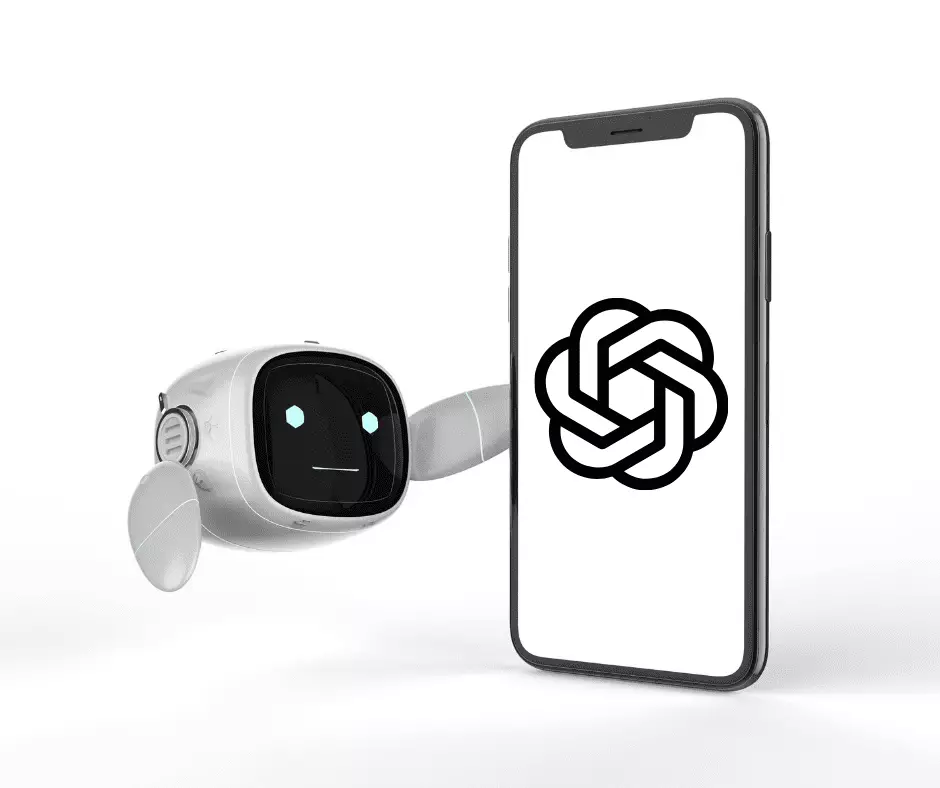
For years, ChatGPT has lived inside websites, mobile apps, and desktop software. People open it, ask a question, receive an answer, and move on with their day.
That familiar experience could soon change.
Reports suggest OpenAI is developing its first dedicated consumer device, described as a portable, screen-free AI companion designed for the home. The device is expected to use advanced voice technology, cameras, and environmental sensors to communicate naturally, understand its surroundings, and become a constant presence rather than a tool people occasionally open.
The project is also connected to OpenAI’s partnership with former Apple design chief Jony Ive, whose team has reportedly been helping shape the company’s vision for AI hardware.
Although OpenAI has not officially revealed every detail, one idea is already clear. The company is exploring how to give ChatGPT something it has never had before: a physical presence.
This raises an important question. Why build a dedicated device when ChatGPT already works across phones and computers?
The answer reveals a major shift in how artificial intelligence may become part of everyday life.
OpenAI Is Creating a New Way to Experience ChatGPT
Many people expected OpenAI’s first hardware product to be a smartphone or wearable device. Instead, reports suggest the company is developing something closer to an intelligent household companion.The device is expected to focus on natural conversation rather than traditional screen interactions. Users may be able to ask questions, manage reminders, control connected devices, receive assistance, and interact with ChatGPT through voice.
Some reports also suggest the device could include cameras and motion capabilities, allowing it to better understand its environment and create more natural interactions.
This represents a different approach to technology. Instead of asking people to adapt to software interfaces, the goal is to create technology that adapts to human behaviour.
Why Would OpenAI Build a Screen-Free AI Device?
Removing the screen may seem like a limitation, but it could become one of the product’s biggest advantages.Screens demand attention. Every notification, app, and button competes for focus. A conversational AI device can provide assistance while allowing people to continue with their activities.
Someone preparing dinner could ask for a recipe without touching a phone. A professional could request information during a busy task without switching between applications. A family could use AI assistance without everyone looking at separate screens.
The idea is to make AI feel available without creating another distraction.
If successful, this could influence the next generation of personal technology in the same way smartphones changed how people access information.
Giving ChatGPT a Physical Presence Changes the Relationship With AI
A chatbot inside a browser window feels temporary. A physical device placed in a home or workspace becomes part of the environment.That difference changes how people interact with technology.
Users may expect the device to remember preferences, understand routines, recognise context, and provide more personalised responses over time. Instead of starting every conversation from the beginning, AI could become familiar with how people work, communicate, and organise their daily lives.
However, this also creates new responsibilities.
A device that listens, observes, and learns from its surroundings requires strong privacy controls, transparent data practices, and clear user choices. Building trust will be just as important as building advanced technology.
OpenAI’s Device Could Bring Ambient AI Into the Mainstream
The biggest idea behind OpenAI’s hardware project is not the device itself. It is the move toward ambient AI.Ambient AI refers to technology that quietly exists in the background and provides support when needed. Instead of opening a tool, searching through menus, or typing instructions, users can simply interact through natural conversation.
Previous voice assistants introduced this idea, but generative AI has made these experiences far more flexible. Modern AI systems can understand complex questions, generate useful responses, and adapt conversations based on context.
Whether OpenAI’s first device becomes a major consumer success or a stepping stone toward future products, it represents a significant moment in the evolution of AI.
What Businesses Can Learn From OpenAI’s AI Hardware Strategy
OpenAI’s first device is not simply a new piece of technology. It reflects a larger change in how people will interact with digital systems.Future AI experiences will increasingly focus on conversation, personalisation, automation, and context. Businesses will need to rethink how customers interact with their services and how employees access information internally.
Companies that prepare early can identify opportunities to improve customer support, streamline operations, and create smarter digital experiences.
This preparation requires more than adopting the latest AI tools. Businesses need strong technology foundations, reliable data systems, secure infrastructure, and a clear strategy for using AI effectively.
Preparing Your Business for the Next Generation of AI
OpenAI’s first AI companion device shows that the future of technology may become less about interacting with screens and more about interacting with intelligent systems.The organisations that benefit from this shift will be those that understand how AI can support real business goals while creating experiences that feel simple, reliable, and useful.
At CTO Partners, we help businesses navigate emerging technologies through practical AI strategies, software development, digital transformation, cloud solutions, and fractional CTO leadership. Our team works with organisations to build technology foundations that support innovation, growth, and long-term success. Contact us now to learn more!
Share this post
Subscribe to get exclusive content
See Latest News

CTO Partners
Ready to Start?
Talk to us about your technology needs and find the right Fractional CTO support for your business.