Learn how online stores can evaluate AI chatbots, improve customer experiences, and build a practical strategy for successful implementation.
Blog Post
Does Your Online Store Need an AI Chatbot? A Practical Guide to Improving Customer Experience Through Smarter Ecommerce Technology
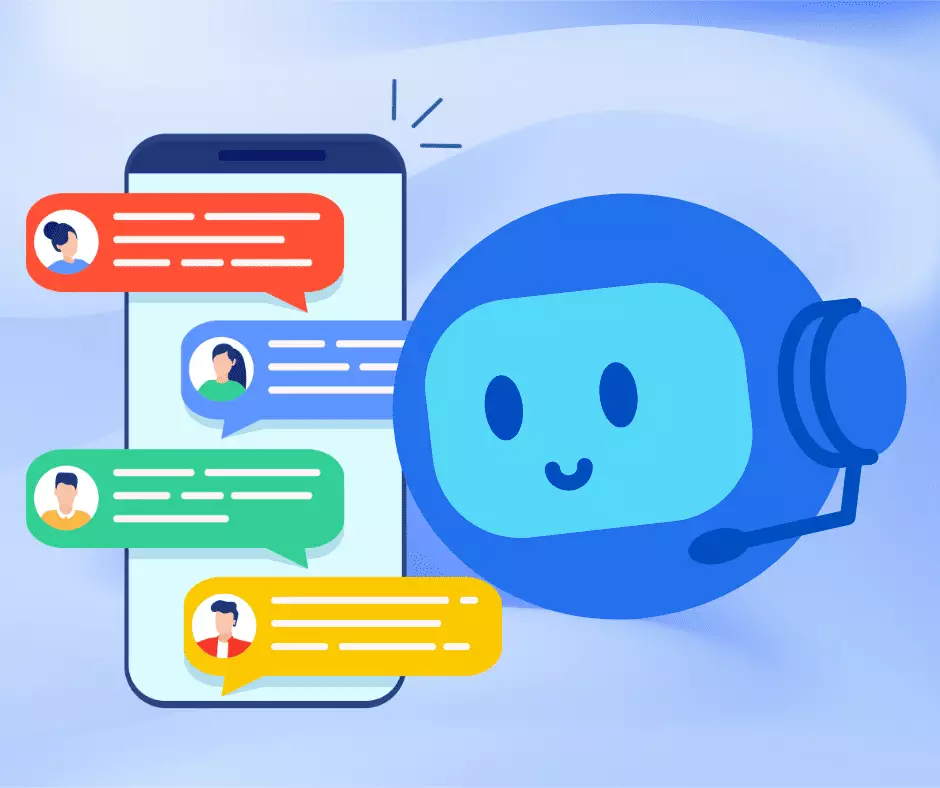
AI chatbots have become one of the most talked-about tools in ecommerce. From helping customers choose products to answering support questions instantly, businesses are exploring how conversational AI can create smoother and more personalised shopping experiences.
For online store owners, the decision is not simply whether AI technology is available. The more important question is whether a chatbot can solve a real customer problem and support the way your business operates.
A well-planned AI chatbot can help customers find information faster, reduce repetitive support tasks, and improve engagement throughout the buying journey. However, success depends on choosing the right approach, preparing your systems, and understanding where automation can create genuine value.
Understanding How AI Chatbots Can Support Online Stores
Customers today expect online shopping experiences to be convenient, responsive, and easy to navigate. When shoppers have questions about products, delivery, returns, or payments, they often want answers immediately rather than waiting for an email response or support ticket.AI chatbots can help bridge this gap by providing instant assistance throughout the customer journey. They can answer frequently asked questions, recommend relevant products, explain policies, and guide customers towards making confident purchasing decisions.
For example, a fashion retailer could use a chatbot to help shoppers find the right size, suggest products based on preferences, and provide shipping information. An electronics store could use one to explain product differences and help customers compare options before purchasing.
The value of a chatbot comes from how effectively it supports customers. Businesses should focus less on adding AI as a feature and more on creating a better shopping experience.
Identifying Whether Your Business Actually Needs a Chatbot
Not every online store needs an AI chatbot immediately. Before investing in the technology, businesses should first understand their current customer challenges.A chatbot may be useful if your team receives many repetitive questions, customers frequently ask for product guidance, or support requests are increasing as your business grows. It can also help businesses provide assistance outside regular working hours, allowing customers to access information whenever they need it.
However, a chatbot will not solve every customer experience issue. If product information is unclear, website navigation is confusing, or internal processes are outdated, automation may simply make existing problems harder to identify.
Businesses should first understand where customers experience friction and then determine whether a chatbot is the right solution.
Creating a Chatbot That Builds Customer Trust
The effectiveness of an AI chatbot depends heavily on the quality of information it provides. Customers rely on businesses for accurate answers, especially when they are deciding whether to make a purchase.An AI chatbot that provides incorrect product details, outdated policies, or unclear recommendations can quickly damage customer confidence. For ecommerce businesses, even small mistakes can affect purchasing decisions and create unnecessary support issues.
To avoid these problems, businesses should ensure their chatbot is connected to reliable and updated information. Product descriptions, inventory details, shipping policies, and customer service guidelines should all be reviewed before implementation.
A good chatbot should also understand its limitations. When a customer has a complex issue or needs personal assistance, the conversation should be transferred smoothly to a human team member.
Balancing Automation With Human Customer Support
AI can handle many routine tasks, but customer relationships still depend on human interaction. Some situations require empathy, problem-solving, and a deeper understanding of customer concerns.For example, a chatbot can quickly explain return policies or provide order updates. However, a frustrated customer dealing with a delayed delivery or a complicated issue may need a person who can listen, understand the situation, and provide a thoughtful response.
The most effective ecommerce strategies use AI to support customer service teams rather than replace them. By managing repetitive enquiries, chatbots allow employees to spend more time helping customers with situations that require human judgement.
Protecting Customer Information When Using AI Tools
As businesses introduce AI into their online stores, data protection becomes an important consideration. Ecommerce platforms often handle sensitive customer information, including personal details, purchasing behaviour, and account information.Before implementing a chatbot, businesses should understand how customer data is collected, stored, and used. They should also review whether the technology provider follows appropriate security and privacy practices.
A successful AI strategy requires businesses to consider both customer convenience and customer trust. The technology should make interactions easier while maintaining strong protection around personal information.
Planning the Right AI Strategy for Your Online Store
Adding a chatbot is only one part of introducing AI into an eCommerce business. The strongest results come from having a clear strategy that considers business goals, customer needs, and technical requirements.Before launching a chatbot, businesses should ask several important questions.
- What customer problems are we trying to solve?
- Which questions should the chatbot handle?
- When should customers be connected with a human team member?
- How will we measure whether the chatbot is improving the experience?
- How will the system be maintained as the business grows?
Answering these questions helps businesses avoid investing in technology that looks impressive but does not create meaningful improvements.
Why Businesses Need Technical Guidance Before Implementing AI
Many businesses understand the potential of AI but are unsure how to introduce it effectively. Selecting a chatbot platform is only the beginning. Successful implementation requires decisions around technology integration, security, customer experience, and long-term scalability.This is where experienced technology leadership can provide valuable support. A Fractional CTO can help businesses evaluate AI opportunities, choose suitable solutions, and create a roadmap that aligns technology decisions with business goals.
Instead of experimenting with disconnected tools, businesses can develop an AI approach that fits their operations and supports sustainable growth.
Build Your AI Strategy With CTO Partners
AI chatbots can transform the way online stores interact with customers, but the best results come from thoughtful planning and strong technical foundations.At CTO Partners, we help businesses understand emerging technologies, improve digital systems, and create practical AI strategies that deliver real business value.
Our Fractional CTO services provide access to experienced technology leadership to help you assess opportunities, implement solutions, and build systems that support your future growth.
Ready to explore how AI can improve your online store? Contact us today for a free consultation!
Share this post
Subscribe to get exclusive content
See Latest News



CTO Partners
Ready to Start?
Talk to us about your technology needs and find the right Fractional CTO support for your business.